21 SEPTEMBER 2026



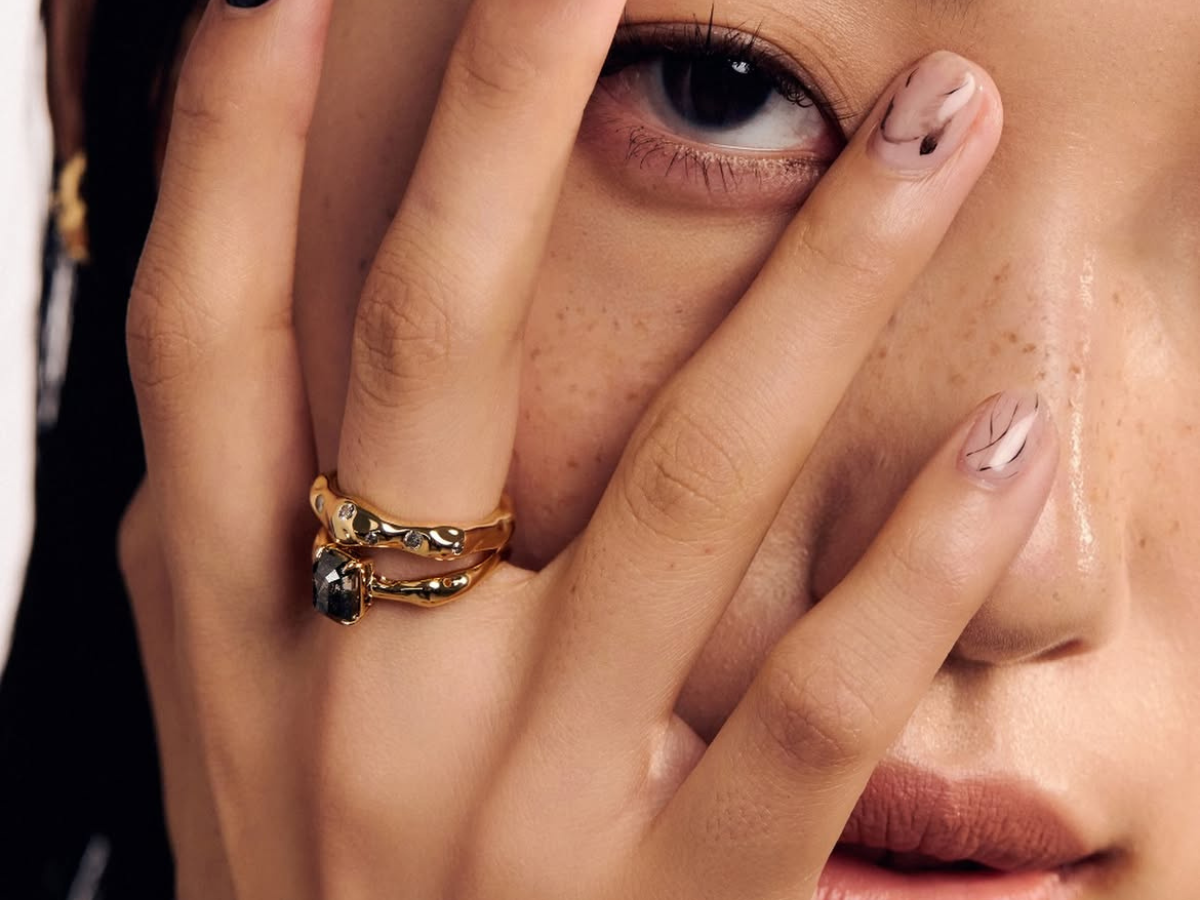
Shopping for a unique diamond engagement ring in Singapore usually starts with a scroll through near-identical solitaires at near-identical price points, which makes “unique” hard to define and “good value” even harder to judge. A ring can look completely different from the standard catalogue option without costing more — sometimes it costs considerably less — once you understand which parts of the price tag are paying for a story, and which are paying for a grading distinction most people can’t actually see with the naked eye.
Start With What “Unique” Actually Means
Uniqueness in an engagement ring generally comes from one of three places: an uncommon stone (a salt-and-pepper or champagne diamond rather than a classic white solitaire), an uncommon setting (asymmetrical stone placement, a two-stone design), or an uncommon process (a fully bespoke build rather than a selection from stock). None of these routes is inherently more “correct” than the others — they simply produce different kinds of individuality, and it’s worth deciding which one you’re actually after before you start comparing prices.
Understanding What You’re Paying For
Diamond marketing is required to meet certain standards. The Federal Trade Commission’s guidance on advertising diamonds sets out how carat weight and other claims must be described accurately, which is useful context when comparing listings that all claim similarly impressive specifications. What that guidance doesn’t regulate is perceived value — and clarity is where a lot of that perceived value quietly lives. According to the Gemological Institute of America’s clarity scale, diamonds are graded on an eleven-step scale based on inclusions visible under 10x magnification, and the difference between a mid-range and a near-flawless grade is frequently invisible to the naked eye, even though it can carry a significant price premium.
Where Value Actually Comes From in an Unconventional Stone
Because high-clarity white diamonds are comparatively rare, they command a price premium tied almost entirely to that clarity grade. A salt-and-pepper or champagne diamond sits outside that pricing logic, since its value isn’t built around minimising visible inclusions in the first place. In practice, this often means a buyer can secure a considerably larger or more visually striking stone for the same budget that would only buy a small, high-clarity white diamond — a genuine trade-off worth weighing rather than a compromise.
Setting Styles That Amplify Uniqueness
The setting does almost as much work as the stone when it comes to how “unique” a finished ring actually reads. A bezel setting lets an unconventional stone’s pattern take centre stage without competing with prong metalwork, while a two-stone or asymmetrical layout can make even a fairly standard-cut diamond feel considerably more distinctive. Couples building a fully bespoke ring often find that a simpler, less common setting style does more to create a genuinely individual look than upgrading to a larger or higher-clarity stone within the same conventional solitaire format.
Budgeting for a Statement Stone Without Overpaying
A useful exercise before any consultation is separating “must-have” from “nice-to-have” on a short list: carat size, stone type, and setting complexity rarely all fit comfortably within one budget, so deciding which one matters most in advance makes the trade-offs much easier to navigate with a jeweller. Buyers focused on visual size and presence often get more for their budget by choosing an unconventional stone over a high-clarity white diamond of the same price, simply because the pricing logic behind each is fundamentally different.
Vetting a Jeweller Before You Buy
“Best place to buy a diamond ring in Singapore” is a genuinely hard question to answer generically, because the right jeweller depends on what you’re actually looking for. A few checks apply regardless: ask whether the design you’re being shown is exclusive to you or sold repeatedly; ask what documentation accompanies the stone, particularly for unconventional diamonds that don’t always carry a traditional grading report; and ask about the jeweller’s resizing and after-sales policy before, not after, you commit. A jeweller confident in their sourcing and process should be able to answer all three without hesitation.
Reading a Listing Before You Book a Viewing
Before booking an in-person appointment, most of the groundwork can be done from a listing itself. Look for whether the stone type is named specifically (salt-and-pepper, champagne, a stated carat and clarity range) rather than described only in adjectives like “stunning” or “rare.” A listing that leans entirely on descriptive language without specifics is harder to compare against alternatives, and worth following up on directly before assuming it represents good value.
Where to See Unique Stones in Person in Singapore
Photographs rarely do an unconventional stone justice — the way light moves through a salt-and-pepper diamond’s inclusions, or the warmth of a champagne stone, is something most buyers want to judge in person rather than on a screen. Our engagement ring collection is viewable by private appointment at our Telok Ayer atelier, where you can compare stones side by side before committing to a setting. If a fully custom build interests you more than choosing from an existing collection, our guide to what genuinely separates bespoke from designer jewellery [LINK TO: Post 5 — What “Designer Jewellery” Actually Means in Singapore — And Why Bespoke Beats Off-the-Shelf] is a useful next read before your first consultation.
A Note on Certification for Unconventional Stones
Because standard clarity grading wasn’t designed with heavily included stones in mind, salt-and-pepper diamonds in particular don’t always come with the same style of grading report as a classic white diamond. That’s not a red flag on its own, but it does mean the certification conversation looks different: rather than asking for a clarity grade, ask how the stone’s authenticity as a natural diamond is documented, and whether the jeweller provides that assurance directly. A jeweller working with unconventional stones regularly should have a clear, ready answer to this rather than needing to check.
Frequently Asked Questions
Are unique engagement rings more expensive than traditional ones?
Not necessarily. An unconventional stone often costs less than a high-clarity white diamond of comparable size, since its value isn’t tied to the same clarity premium.
What makes a diamond “unique” instead of just lower grade?
Inclusions that would lower a white diamond’s grade are the defining feature of stones like salt-and-pepper diamonds — the pattern is the design, not a flaw being minimised.
Is it safe to buy an engagement ring online without seeing it first?
For unconventional stones especially, most jewellers recommend viewing in person first, since photographs struggle to capture how inclusions or colour actually look under different lighting.
Do unique diamond engagement rings hold value the same way traditional ones do?
Value considerations differ, since unconventional stones aren’t assessed on the same clarity-driven scale as white diamonds — a jeweller can walk you through this during a consultation.
What should I check before choosing where to buy an engagement ring in Singapore?
Ask whether the design is exclusive, what documentation comes with the stone, and what the resizing and after-sales policy is before you commit.
See the Difference in Person
If you’re comparing options and want to see unconventional stones up close, explore our engagement ring collection or message us on WhatsApp to book a private appointment at our Telok Ayer atelier.
References
- Federal Trade Commission. (2022). In the Loupe: Advertising Diamond, Gemstones and Pearls. FTC.gov. https://www.ftc.gov/business-guidance/resources/loupe-advertising-diamond-gemstones-pearls
- Gemological Institute of America. (2026). About Diamond Clarity — GIA 4Cs. GIA.edu. https://4cs.gia.edu/en-us/diamond-clarity/
