19 OCTOBER 2026



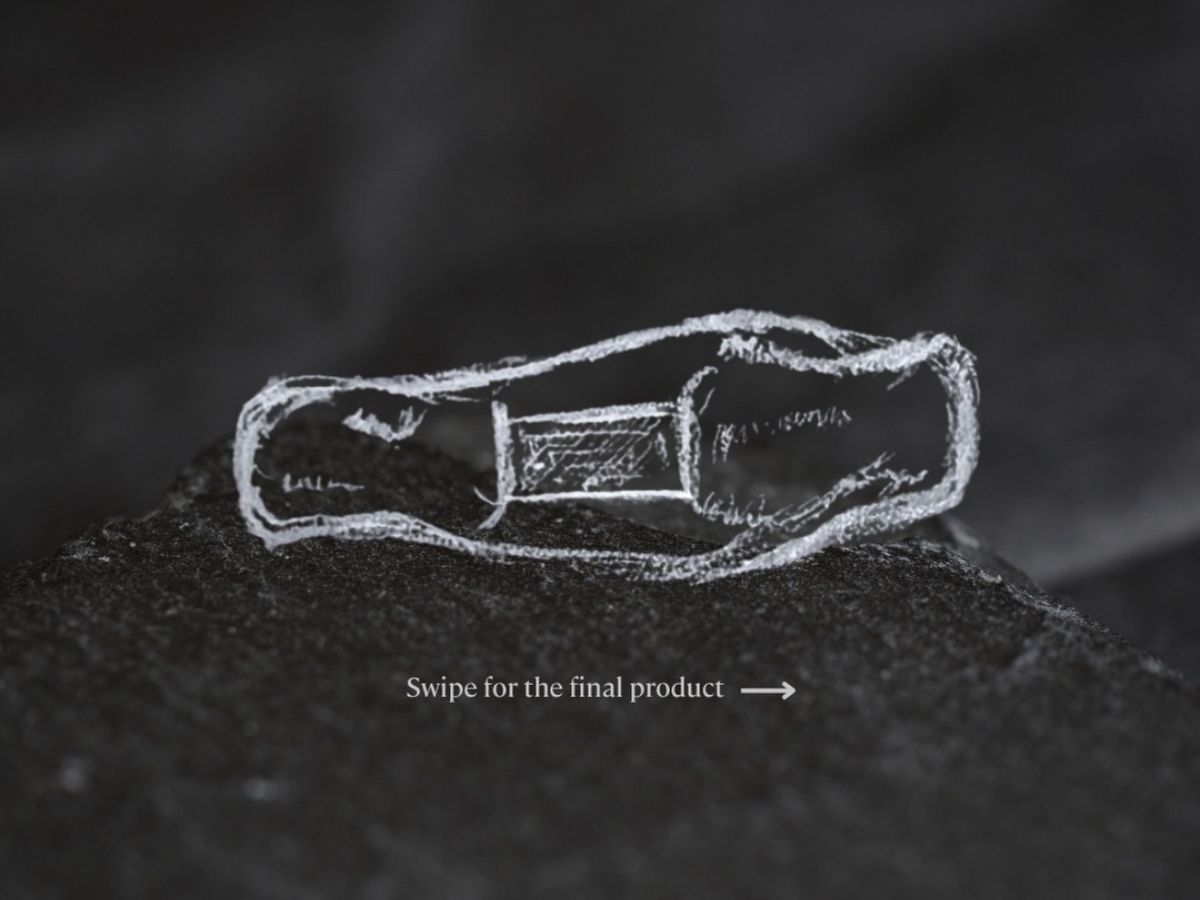
Artisanal jewellery is a phrase you will see more and more, but it is often used loosely. At its heart, it describes jewellery shaped by skilled makers and their judgement, made in small quantities by people who know each piece closely. Many artisanal jewellers, including us, also use digital tools such as CAD drawing and 3D renders to plan a design, but the decisions that shape each piece still rest with people. For anyone looking for fine jewellery Singapore buyers can feel a real connection to, understanding what makes a piece artisanal helps separate genuine craft from clever marketing. Here is what the term really means, and how it shapes the way we work at Twomorrow.
What Does “Artisanal” Actually Mean?
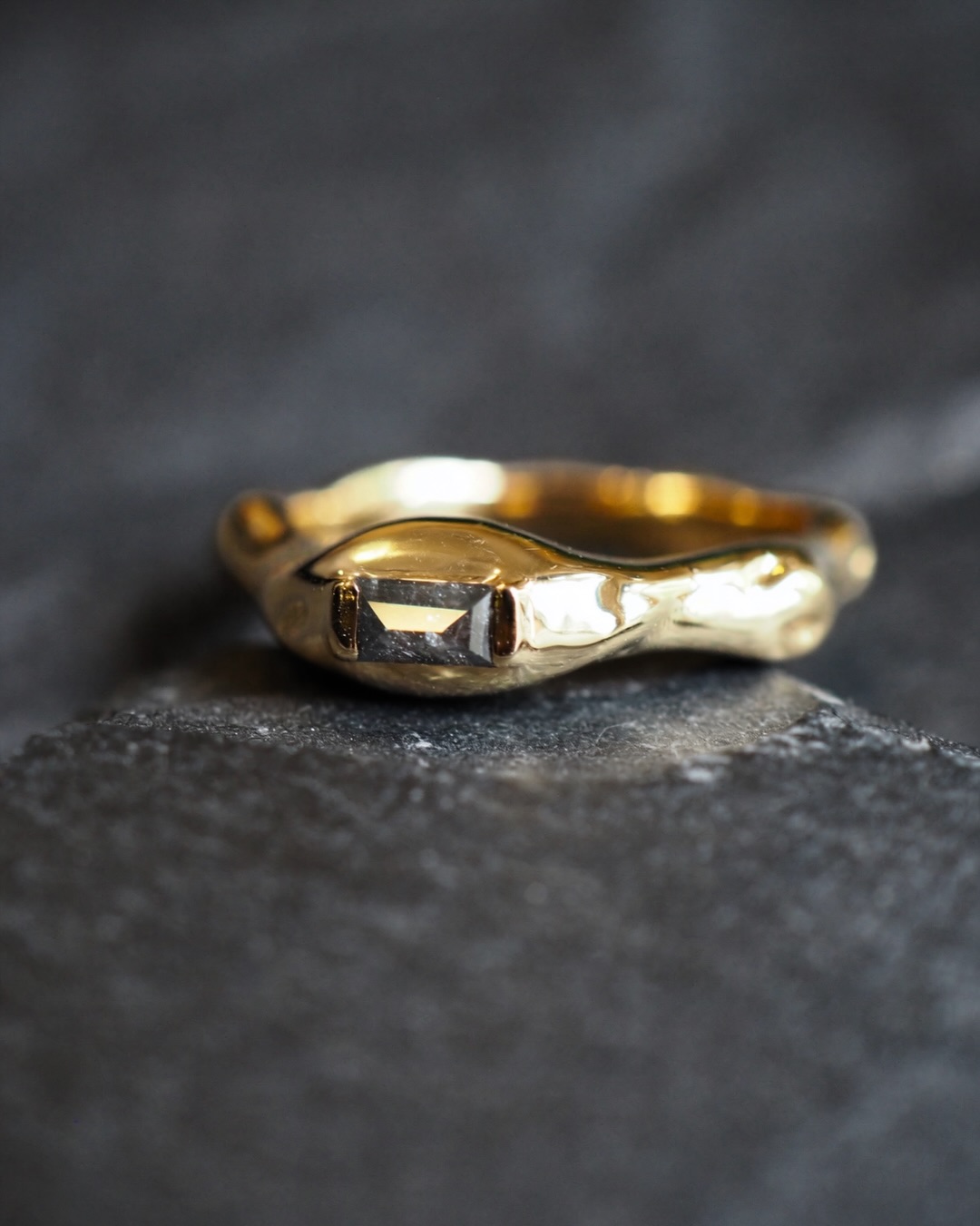
Artisanal jewellery is defined less by a single technique and more by how a piece comes into being. It is designed and made by skilled people rather than produced in large automated runs, and each step involves human judgement: which stone to use, how a setting should sit, when a surface is truly finished. Digital tools such as CAD drawing may help map out a design, and some stages may use modern equipment, but artisanal is about who makes the decisions, not whether every step is done by hand. The result carries small signs of that attention, from the way a prong is shaped to how a band feels on the finger.
Artisan jewellery and artisanal jewellery are often used interchangeably. Both point to the same idea: jewellery shaped by makers rather than by a factory line. The difference from mass-produced jewellery is not necessarily the materials, which can be identical, but the process, the scale and the level of individual attention each piece receives.
Small-Batch Making Over Mass Production
Mass-produced jewellery relies on repetition. A single design is cast, finished and packaged in large numbers, so every piece is identical and costs are kept low. That approach has its place, but it leaves little room for adjustment or individual character.
Small-batch making works the other way round. Pieces are made in limited numbers, or one at a time, which allows the maker to respond to each stone and each client. Our Unbounded collection was created as a series of one of one pieces, each designed around a specific stone rather than repeated from a template.
Stone-Led Design: Starting With the Diamond
In much of the jewellery industry, the design comes first and stones are sourced to fit it. Stone-led design reverses that order. The diamond is chosen first, and the piece is shaped around its colour, outline and inner character.
This approach is especially rewarding with unconventional diamonds. Salt-and-pepper diamonds carry natural black and white inclusions that make each stone visually unique, so there is no standard setting that works for all of them. A heavily speckled kite might be framed by a minimal bezel, or held in fine prongs so the pattern reaches the very edge. The answer comes from the stone and the person wearing it, not from a rulebook. Designing around the stone means those differences become part of the piece rather than something to hide.
It is also why understanding the stone matters. The Gemological Institute of America (GIA) explains that a diamond’s cut determines how well it interacts with light, and for unconventional stones, the way a stone has been cut and shaped is a large part of its character. Our visual guide to unique diamond cuts [LINK TO: Post 9 — Unique Diamond Cuts: A Visual Guide to Pear Shaped, Kite, Hexagon and Rose Cut Diamonds] explores this in more detail.
Why the Atelier Matters
An atelier is a workshop where design and craftsmanship come together. At Twomorrow, it brings the people selecting the stones, developing the designs and overseeing the finishing process closer together. This allows each piece to be considered as a whole, from the character of the stone to the details of the finished jewellery.
For our clients, the atelier is also where the conversation begins. At our Telok Ayer atelier, you can view stones, try on pieces and talk through your ideas with us in person.
Seeing a salt-and-pepper diamond in natural light or comparing two champagne diamonds side by side can change how you see a stone and what you imagine creating with it. These are the details that make the bespoke experience personal. You are choosing a stone, exploring possibilities and shaping a piece that feels right for you.
Inside Twomorrow’s Crafting Process
Every piece begins with the stone and the person who will wear it. For bespoke commissions, the process typically unfolds in four stages.
1. Consultation
We begin with a conversation about what you have in mind, the occasion, your budget and how you plan to wear the piece. You can view different stones in person and compare their colours, patterns and character before deciding what speaks to you.
2. Stone Selection
Together, we select the diamond that will anchor the design. It could be a salt-and-pepper diamond with a striking natural pattern, a warm champagne diamond or a classic white diamond. Each stone has its own character and helps shape the direction of the design.
3. Design and Sketching
With the stone selected, our designers develop hand sketches or CAD renders to explore the proportions, setting and choice of metal. We refine the details with you until the design reflects what you have in mind and works with the characteristics of the stone.
4. Crafting and Finishing
Once the design is approved, the piece moves into crafting. The diamond is set, the jewellery is finished and the completed piece is checked carefully before collection.
This approach guides Create Your Twomorrow, our bespoke programme for engagement rings, wedding bands and other personal pieces. Each commission begins with an idea and takes shape through the choices made along the way.
How to Recognise Artisanal Jewellery
The term artisanal is used in many ways, so it helps to look beyond the label. A jeweller who is closely involved in the making process should be able to explain how a piece is designed and crafted, where the work takes place and who is involved.
Look for a jeweller who can tell you about the individual stones rather than simply referring to product codes. They should also be willing to discuss design adjustments, explain the choices available and guide you through what is possible.
It helps to go in informed, too. GIA’s guide on how to buy a diamond is a useful starting point for understanding what to consider when choosing a diamond. Aftercare matters as well, especially for jewellery you intend to wear regularly. Jewelers of America offers practical guidance on jewellery repair that is worth reading before making a purchase.
Is Artisanal Jewellery Worth It?
Artisanal jewellery is not necessarily more expensive than mass-produced jewellery made with comparable materials. The price depends on the stone, the metal, the complexity of the design and the work involved.
What makes the experience different is the opportunity to be involved in the process. You can explore individual stones, discuss design possibilities and make choices that reflect your own taste and story.
At Twomorrow, this approach is rooted in our belief in the Art of Imperfection. We work with unconventional diamonds and distinctive cuts, creating jewellery that celebrates the natural character of each stone and the individuality of the person wearing it.
Discover more about Twomorrow’s brand philosophy [LINK TO: Brand Philosophy page — add URL] and how it shapes the way we approach jewellery design.
Frequently Asked Questions
Is artisan jewellery the same as artisanal jewellery?
The terms are generally used interchangeably. Both describe jewellery associated with skilled craftsmanship and a hands-on approach to design and making. The actual process can vary between jewellers, so it is worth asking how each piece is made.
Does artisanal jewellery cost more?
Not necessarily. Price depends on the stone, metal, design complexity and craftsmanship involved. A simple artisanal piece may be comparable in price to a similar retail piece, while a more intricate bespoke design may cost more.
What makes Twomorrow’s jewellery artisanal?
Twomorrow takes a stone-led approach to jewellery design, working with the individual character of each diamond to shape the finished piece. Through our Telok Ayer atelier, clients can explore stones, discuss design ideas and create bespoke jewellery. Our Unbounded collection also features one of one pieces that celebrate unconventional diamonds and distinctive forms.
How long does it take to make an artisanal piece?
The timeline depends on the design, stone availability and complexity of the piece. Bespoke jewellery typically takes several weeks from design approval to collection. If you have a specific date in mind, we recommend discussing the timeline with us early.
Can I commission an artisanal piece in Singapore?
Absolutely. At Twomorrow, you can choose a diamond and work with our designer to create a piece around it. Visit our Telok Ayer atelier for a bespoke consultation. Message us on WhatsApp to book an appointment.
Discover the Art of Imperfection
If you are drawn to jewellery that carries the mark of real attention, we would love to show you what that looks like in person. Explore our pieces online, or message us on WhatsApp to book a private appointment at our Telok Ayer atelier, where every piece begins with a stone and a conversation.
References
- Gemological Institute of America. (2026). Diamond Cut. GIA 4Cs. https://4cs.gia.edu/en-us/diamond-cut/
- Gemological Institute of America. (2026). How to Buy a Diamond. GIA 4Cs. https://4cs.gia.edu/en-us/how-to-buy-a-diamond/
- Jewelers of America. (2026). Jewelry Repair. Jewelers.org. https://www.jewelers.org/buying-jewelry/jewelry-repair-and-care/jewelry-repair